

Quick Answer
How do you weatherproof outdoor patio furniture?
- Choose the right sealant based on your furniture material (wood, metal, or wicker)
- Apply Scotch Guard Water Shield to any upholstered cushions
- Thoroughly clean every surface before sealing
- Sand the furniture to improve sealant adhesion
- Apply varnish and/or sealant — sand and reapply if multiple coats are needed
- Use a water-resistant cover during extended periods of non-use
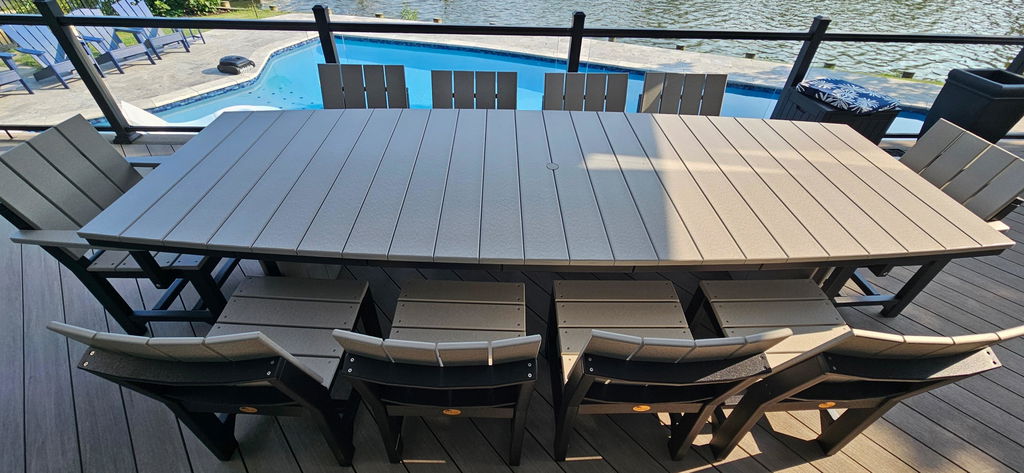
Investing in outdoor patio furniture can significantly transform your backyard into a welcoming retreat for family and guests. But with that investment comes one inevitable challenge: unpredictable weather. Rain, snow, sleet, and mildew can quietly degrade even the finest patio set if it's left unprotected.
The good news? A few targeted steps — tailored to your furniture's specific material — can dramatically extend its lifespan and keep it looking brand new season after season. Here's exactly what to do.
Shop Weatherproof Outdoor Furniture
1. Choose the Right Sealant for Your Furniture Material
Not all outdoor furniture requires the same weatherproofing approach. The material your patio set is made from determines exactly which sealant to buy — and how much ongoing maintenance you should expect.
Before you purchase a sealant, consider the level of upkeep you're comfortable with. Wood furniture tends to be more maintenance-intensive than metal; wicker often requires the least effort. Also weigh the aesthetic you want against the lifestyle that supports it. Here's a breakdown of the three most popular patio furniture materials:
Wicker
Typically made from split reed or rattan, wicker is often pre-coated with a clear varnish or paint by the manufacturer. This naturally repels water and limits mildew buildup — reducing the steps you need to take. Ideal for a bohemian or coastal aesthetic.
Wood
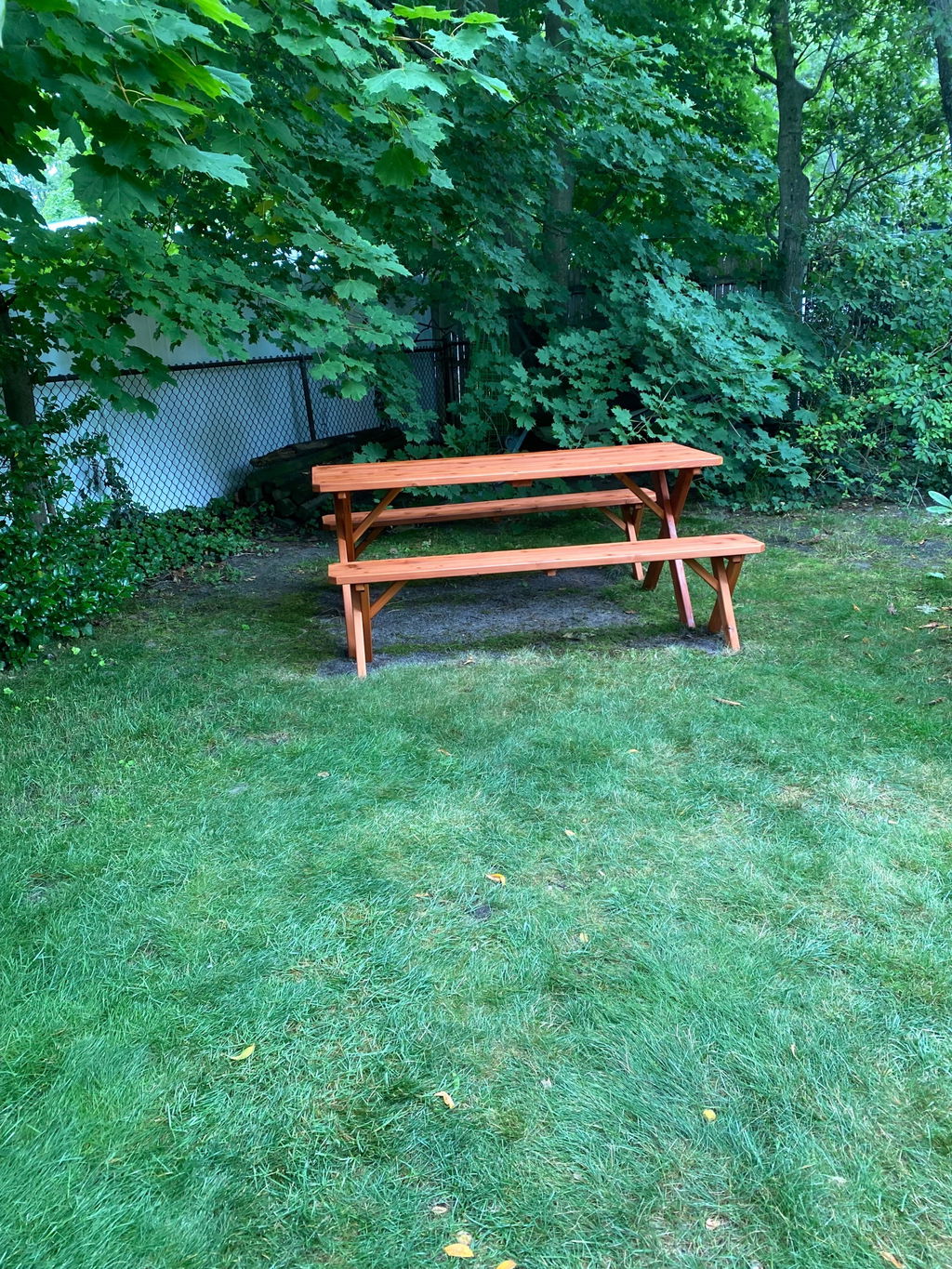
Teak, ipe, and eucalyptus are the top choices for outdoor wood furniture. Teak is most popular — its naturally high oil content beads water effectively, and it develops an attractive silver-grey patina over time. Apply teak oil or a clear wood sealant annually.
Metal
Aluminium, iron, and steel all offer an industrial or modern aesthetic. Aluminum is naturally rust-resistant; iron and steel are not. Protect metal sets by periodically applying a coat of liquid varnish or powder coating to guard against rust and corrosion.
2. Apply Scotchgarde to Upholstered Cushions
Upholstered patio cushions add comfort and personality to any outdoor seating area — but fabric is the most vulnerable part of your patio set when it comes to moisture. Without protection, water can cause the fabric to fade, develop mildew, and structurally break down over time.
Once your cushions arrive, pick up a can of ScotchGuard Heavy Duty Water Shield. Generously spray it across the entire upholstered surface in a well-ventilated area, following the instructions on the can. ScotchGuard causes water to bead and roll off the fabric's surface rather than soaking in, significantly extending the life of the upholstery.
If you live somewhere with long, harsh winters, store cushions in a dry, covered space — like a garage or shed — during the off-season. This prevents color fading and preserves the fabric's structural integrity until spring.
3. Thoroughly Clean All Furniture Surfaces
Before applying any sealant or varnish, your furniture needs to be spotlessly clean. Dirt, bacteria, and existing mildew will interfere with how well the sealant bonds to the surface — and trap grime underneath a protective layer.
Mix water with a few drops of dish soap or white vinegar, then wipe down every surface — including all hidden crevices and joints. After any significant weather event like a rainstorm, wipe down exposed furniture promptly to reduce the risk of mildew and rust forming.
If you spot mildew already forming, mix one tablespoon of bleach with a full pint of water and use it to treat affected areas. Be aware, though: once mildew takes hold, it's genuinely difficult to fully eliminate. Prevention — through regular wiping and keeping surfaces dry — is always the better approach.
4. Sand the Furniture to Improve Adhesion
Sanding is a critical step, especially for wood furniture. It creates a slightly rougher surface texture that allows varnish and sealant to bond more effectively — resulting in a more durable, longer-lasting protective finish.
Start with a rougher-grit sandpaper to remove larger imperfections, splinters, or old peeling sealant. Then switch to extra-fine sandpaper or "0000" steel wool (for metal surfaces) to create a smooth, uniform finish. Once you've finished sanding, wipe down every surface with a damp cloth to remove all dust residue. Allow the furniture to dry completely before moving on to the next step.
You can use an electric orbital sander to speed things up, but hand-sanding works just as effectively on most patio furniture pieces. Either way, this step will noticeably improve the quality and longevity of your final result.
5. Apply Varnish and/or Sealant
This is the heart of the weatherproofing process. Varnish and sealant work by filling the microscopic pores in your furniture's surface, creating a protective barrier that repels water, resists UV damage, and prevents mildew from taking root.
Using a quality brush or rag, apply the sealant slowly and carefully — covering every surface, including the underside of tabletops, chair legs, and all joinery. Don't rush. The more thorough your application, the better the protection.
- Follow the manufacturer's instructions on the can precisely
- Work in a cool, dry, well-ventilated area
- Allow 24–48 hours of drying time before using the furniture
- If a second coat is recommended, lightly sand between coats for optimal adhesion
Repeat this process annually. A knowledgeable furniture retailer — like the team at Rocking Furniture — can advise on the best product for your specific furniture material and local climate conditions.
6. Use a Water-Resistant Furniture Cover
Even after completing all five previous steps, a quality water-resistant cover is one of the smartest investments you can make for your patio furniture's long-term care — especially during extended periods when the set won't be in use, or throughout cold-weather seasons.
Many patio furniture brands offer fitted covers designed specifically for their sets. These typically feature a water-resistant outer layer and a padded interior lining for added protection. If you can't find a perfect fit, a heavy-duty tarp secured tightly with bungee cords is an equally effective DIY alternative.
In regions that experience months of winter weather where outdoor furniture simply can't be used, a water-resistant cover is arguably the single most important protection measure you can take — particularly when indoor garage or shed storage isn't an option.
Frequently Asked Questions
How do I make my outdoor patio furniture waterproof?
To waterproof outdoor patio furniture, choose a sealant suited to your material (wood, metal, or wicker), clean and dry the surface completely, sand lightly to improve adhesion, then apply varnish or sealant with a brush. Allow 24–48 hours of drying time. Finish by covering the set with a water-resistant furniture cover during extended non-use periods.
What sealant should I use on wood patio furniture?
For wood patio furniture — particularly teak, ipe, or eucalyptus — use a clear exterior-grade varnish, teak oil, or a purpose-formulated wood sealer. Teak naturally contains oils that repel water, but an annual sealant application extends its lifespan considerably. Always sand lightly between coats.
How do I protect metal patio furniture from rust?
Aluminium is naturally rust-resistant, but iron and steel patio sets require regular protective treatment. Clean and dry the surface thoroughly, then apply a coat of liquid varnish or powder coating. Repeat this process annually — or more frequently in high-humidity or coastal environments — to prevent rust from forming.
Can I use ScotchGuard on outdoor patio cushions?
Yes — ScotchGuard Heavy Duty Water Shield is an excellent choice for protecting outdoor fabric cushions. Spray it generously over the entire surface in a well-ventilated area. It causes water to bead off the fabric, reduces mildew risk, and protects against spills and stains. Reapply once a year for continued performance.
How often should I weatherproof outdoor patio furniture?
Most outdoor patio furniture benefits from annual weatherproofing. This includes reapplying varnish or sealant, refreshing ScotchGuard on cushion fabric, and checking covers for wear or damage. Furniture in high-rainfall climates, coastal areas, or regions with extreme temperature swings may require more frequent maintenance.
Is it better to cover or store outdoor patio furniture in winter?
Indoor storage in a garage or shed is always the most protective option. When that's not possible, a quality water-resistant furniture cover is the next best solution. Always bring upholstered cushions indoors regardless — they're the most susceptible to damage from prolonged cold, moisture, and light exposure.
The Bottom Line
Weatherproofing your outdoor patio set is absolutely worth the effort. It protects a significant investment, extends the life of your furniture, and keeps your outdoor space looking as inviting as the day you set it up.
If you're shopping for new outdoor furniture, the first question to ask yourself is: how much maintenance am I realistically willing to commit to? That answer will guide you toward the right material — whether it's low-maintenance wicker, classic teak wood, or durable powder-coated metal. From there, consistent seasonal care and the six steps above will ensure your patio set stands up to years of weather and use.
The team at Rocking Furniture is always happy to help with questions about materials, maintenance, or finding the right set for your space.
Explore Our Outdoor Furniture Collections